Introduction
Forged iron gates from medieval Europe still stand after six centuries, their intricate scrolls and leaves defying rust and war. Modern forges produce comparable durability, yet few grasp the techniques that bridge past and present. Artistic forging transforms raw metal into enduring art, while blacksmith craft underpins everyday metal products. This article dissects these methods, from custom forging orders to cold forging processes, equipping readers with knowledge to appreciate, commission, or even attempt forged products.
Blacksmiths hammer steel at 1,200°C, shaping it molecule by molecule for strength unmatched by casting. Cold forging, by contrast, compresses metal at room temperature, yielding precision parts for machinery. Readers seeking to place a forging order or understand why forged products outlast alternatives find here a clear path through techniques, tools, and applications. Whether for ornamental gates or industrial components, grasping these distinctions reveals why forging persists amid advanced manufacturing.
Explore how artistic forging elevates metal products beyond utility, how blacksmith craft evolves with technology, and what defines a quality forging order. Gain insights into forged products' versatility and cold forging's role in high-volume production. This guide delivers practical understanding for enthusiasts, buyers, and makers alike.
Fundamentals of Forging
Core Principles and Heat Dynamics
Forging deforms metal under compressive force, aligning its grain structure for superior tensile strength. Hot forging exploits plasticity above the recrystallization temperature, typically 900–1,200°C for steel. This process expels impurities and closes internal voids, resulting in denser material than rolled sheets. Blacksmith craft relies on these principles, where controlled heating prevents cracking.
Tools Essential to the Trade
Anvils provide unyielding surfaces for hammering, while tongs secure glowing billets. Power hammers accelerate production in modern shops, delivering thousands of blows per minute. Forges—coal, gas, or electric—maintain precise temperatures. These tools enable everything from simple nails to elaborate artistic forging.
Metal Types Suited for Forging
Low-carbon steels forge easily, offering malleability for blacksmith craft. Alloy steels add hardness for tools, while wrought iron resists corrosion in outdoor metal products. Aluminum and titanium suit specialized forged products, balancing lightness with strength.
Artistic Forging Techniques
Ornamental Patterns and Scrolls
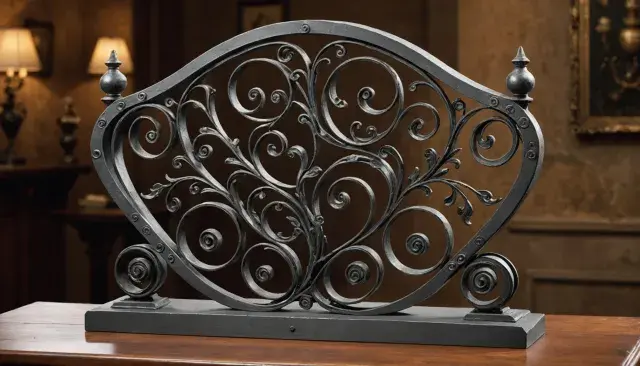
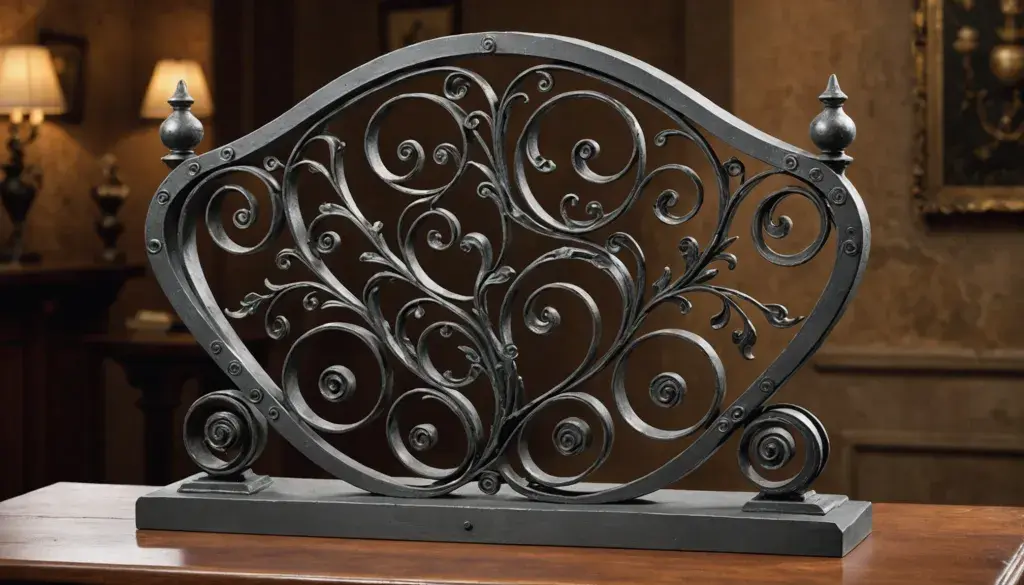
Artistic forging crafts flowing scrolls by drawing out tapered ends and twisting under tension. Upsetting thickens sections for balanced proportions in gates and railings. These techniques turn functional metal products into heirlooms, as seen in historic cathedrals.
Texturing and Surface Finishes
Hammers with patterned faces imprint scales or bark-like textures on forged products. Punching creates piercings for light play, enhancing depth. Patinas applied post-forging protect and color steel, vital for exposed artistic forging.
- Twisting: Rotates sections for spiral effects.
- Shouldering: Builds angular transitions.
- Collaring: Joins elements with rings.
Design Integration in Custom Work
Clients specify motifs—floral, geometric, or abstract—for bespoke pieces. Blacksmiths sketch full-scale templates to ensure fit. This personalization distinguishes artistic forging from mass-produced metal products.
Blacksmith Craft Evolution
Historical Roots to Modern Practice
Blacksmith craft originated with Bronze Age hammers, refining into Iron Age specialization. Medieval guilds standardized techniques for armor and architecture. Today, CNC-assisted forges blend tradition with precision, sustaining the craft in artistic forging.
Contemporary Tools and Innovations
Hydraulic presses replace manual swages for consistency in forged products. Induction heaters localize heat, reducing scale formation. These advances expand blacksmith craft to produce complex metal products efficiently.
Training Paths for Aspiring Smiths
Apprenticeships immerse learners in fire management and hammer control. Schools offer certifications in safety and metallurgy. Practice on scrap builds skill for professional forging orders.
Types of Forged Products
Decorative and Architectural Items
Forged gates, fences, and grilles define estates with durable elegance. Balusters and finials add vertical flair to staircases. These metal products withstand weather through dense forging.
Functional Tools and Hardware
Hammers, chisels, and axes emerge tougher from the forge than cast counterparts. Hinges and latches for heavy doors rely on forged strength. Custom forging orders often target such utilitarian forged products.
- Garden tools: Shovels with reinforced sockets.
- Kitchen knives: Blades with distal taper.
- Horse fittings: Bits and stirrups.
Industrial and Automotive Applications
Crankshafts and gears demand forged products for fatigue resistance. Cold forging dominates here, forming axles without heat-affected zones.
Placing a Forging Order
Specifying Requirements Clearly
Detail dimensions, material grade, and finish in the forging order. Include sketches or CAD files for artistic forging elements. Specify quantity and deadline to align shop capacity.
Selecting Reliable Forges
Review portfolios for quality in metal products and blacksmith craft. Check certifications like ISO for consistency. Visit shops to assess equipment and discuss forged products firsthand.
Cost Factors and Timelines
Complexity drives price—simple bars cost less than scrolled panels. Setup for small forging orders inflates per-unit rates. Lead times range from weeks for customs to days for stock shapes.
Cold Forging Processes
Mechanics of Room-Temperature Deformation
Cold forging squeezes metal below 0.3 times its melting point, work-hardening it for wear resistance. Dies guide precise shapes, ideal for high-volume forged products like bolts.
Advantages Over Hot Methods
No oxidation means cleaner surfaces on metal products. Tighter tolerances suit machining. Energy savings and automation favor cold forging in mass production.
Limitations and Material Choices
Brittle metals crack under cold stress; ductile ones like copper excel. Multi-stage processes progressively form complex geometries. Heat treatment follows to relieve strains.
Frequently Asked Questions
How long does artistic forging take for a custom gate?
Design and fabrication span 4–8 weeks, depending on size and detail. Simple panels finish faster; intricate scrolls require multiple heat cycles. Rush orders add premiums but compress timelines to 2 weeks.
What metals work best for blacksmith craft outdoor products?
Weathering steel and stainless alloys resist corrosion best. Galvanizing adds protection for carbon steel forged products. Avoid soft metals like pure aluminum for structural use.
Can cold forging replace hot forging entirely?
No, cold suits precision small parts; hot handles large shapes and high-strength alloys. Combine both for optimal forged products, like cold-headed fasteners with hot-forged blanks.
How to verify quality in a forging order?
Inspect grain flow lines on cross-sections and test hardness. Ultrasonic scans detect internal flaws. Reputable forges provide material certificates and proof-load results.
What safety gear is essential for blacksmith craft?
Leather aprons shield from sparks, gloves protect hands, and face shields guard eyes. Respirators handle forge fumes. Sturdy boots prevent slips on scales.
Is artistic forging more expensive than welding?
Yes, due to skilled labor and material waste. Welded assemblies cost less for simple forms but lack forged density. Long-term durability offsets artistic forging's premium.